
Watt Footprint Newsroom
Get the latest in Watt Footprint news and stories
Ibec's Budget 2027 Submission Puts Energy Costs for Manufacturing at the Forefront
Ibec's Budget 2027 submission shows Irish manufacturers hold real strengths in skills, tax and innovation, but energy costs remain a competitiveness gap. Here's what the submission recommends, and what it means for your business.

Hotel EBITDAR per available room : Dublin vs Regional Hotels
Dublin hotels convert roughly double the EBITDAR margin of Regional Ireland hotels. With food and beverage playing a much bigger role in regional hotel revenue, hotel energy efficiency offers a practical way to protect margins outside the capital.
Irish Manufacturing Research: Why Sustainability Is Becoming a Source of Business Value
Irish Manufacturing Research's 2025 findings point to a real shift underway in Irish manufacturing, where sustainable manufacturing practices are becoming a genuine source of competitive advantage rather than just a compliance exercise. Here's what that means and where energy efficiency for manufacturers fits in.

Fáilte Ireland's Business of Tourism Report 2026: Why Energy Efficiency Matters for Hospitality
Irish tourism had a strong year in 2025, but cost pressures remain a real challenge for hospitality businesses. Here's how energy efficiency can turn rising costs into a competitive advantage rather than a squeeze on margin.

How EXEED Helped One Irish Hotel Save €88,776 a Year in Energy Costs
This Irish hotel had already made the obvious efficiency upgrades. EXEED found what was left, delivering €88,776 in annual savings and independently verified results.
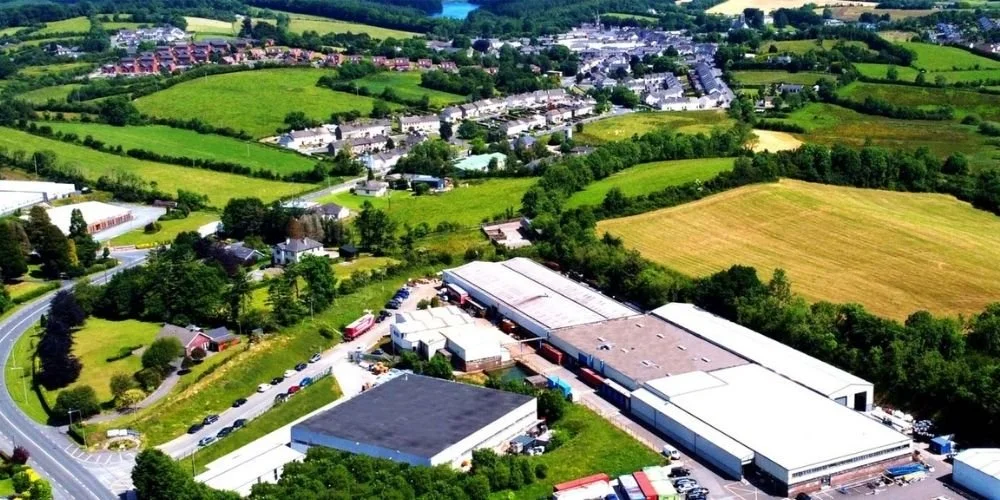
How this Irish Manufacturer saves €66,500 annually because of GreenPlus Funding
When this Irish manufacturer set out to cut energy costs, Green Plus gave them the roadmap. The result was €66,500 in annual savings, ISO 50001 certification, and a clear blueprint other manufacturers can follow.
Bord Bia Points to Operational Efficiency as Key to Competitiveness
Bord Bia's Export Performance and Prospects report set out a positive outlook for growth in Irish prepared consumer foods in 2026, alongside a clear-eyed look at the cost pressures manufacturers need to manage. Here's what the report said, and why energy efficiency deserves a place in that conversation

New Bank of Ireland Report shows Legislation Isn't the Only Reason Hotels should Invest in Energy Efficiency
New Bank of Ireland data on the hospitality sector suggests energy efficiency in hotels is earning its place in capital planning for reasons that go well beyond legislation. Here's what the H1 2026 Insights and H2 2026 Outlook report tells us.
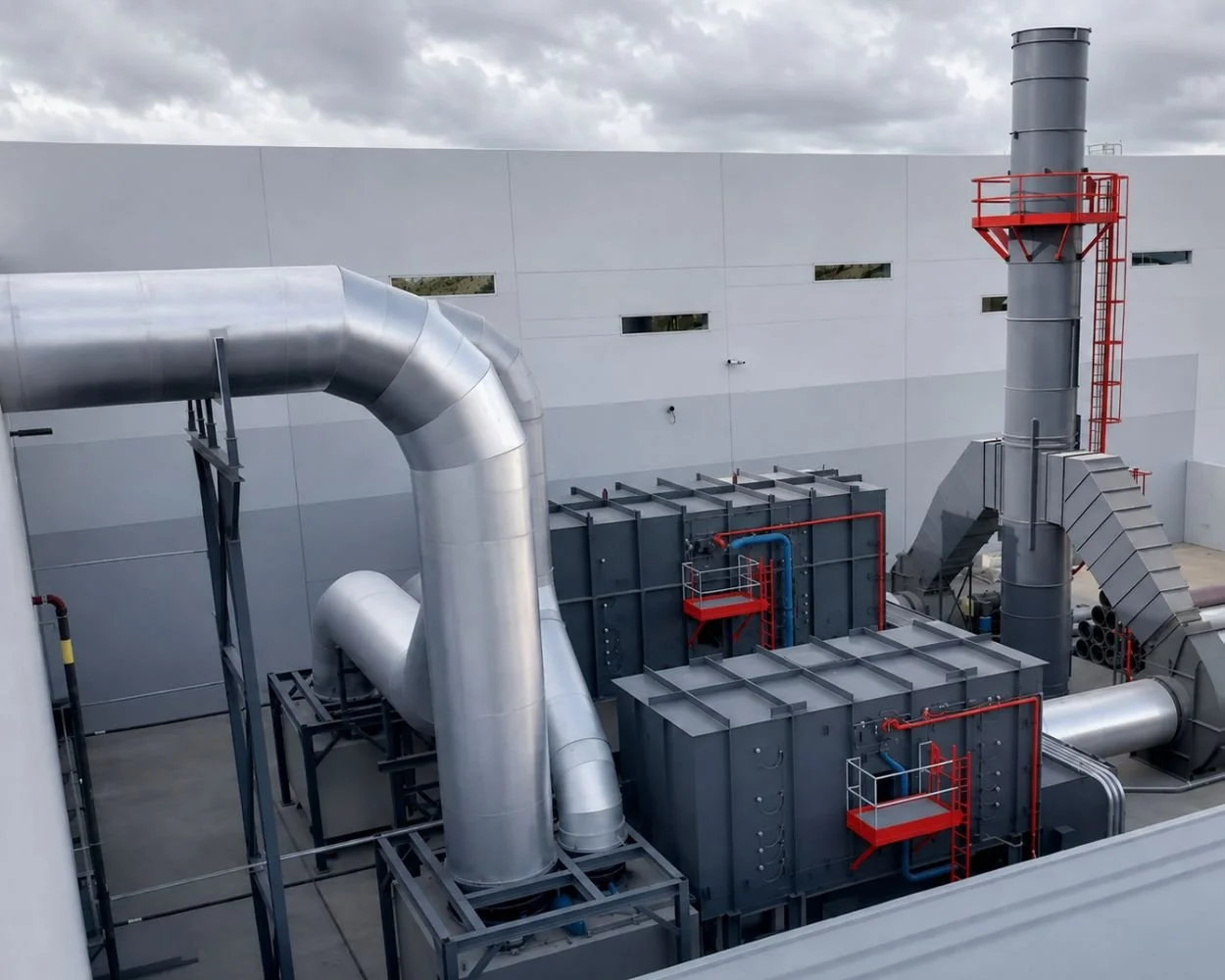
Why Your Pharmaceutical Abatement Systems Could Be Costing More Than They Should
Most pharmaceutical manufacturers installed their VOC abatement systems to meet a compliance requirement and have not revisited them since. With the 2026 Chemical Agents Code of Practice now in operation, there is renewed focus on how solvent emissions are managed on site. That conversation is also, whether sites realise it or not, an energy conversation.

What the Teagasc 2026 Farm Income Report Tells Us About Energy Efficiency in Food and Beverage Manufacturing
The Teagasc 2026 farm income outlook shows average family farm income forecast to fall 38% this year, with energy costs rising across all farm systems. For Irish food and beverage manufacturers, rising costs on the farm do not stay on the farm. Here is what the report means for processors and why energy efficiency in food and beverage manufacturing has never been more relevant.

Minimum Energy Performance Standards for Irish Hotels and Restaurants: Time and Funding to Get Ahead
New EU rules will eventually require the least efficient commercial buildings in Ireland to be upgraded. For hotels and restaurants, that sounds like a deadline. Looked at properly, it is closer to a runway, with real funding already available to use it well.
New Energy Audit Rules for Irish Hotels and Restaurants: What the October 2026 Deadline Means for You
A new energy rule is about to catch far more Irish hotels and restaurants than the old one ever did. Here is what changed, what a "10 TJ" threshold actually means in plain numbers, and how to find out where your business stands before the October 2026 deadline.
CSRD Ireland: Where Pharma Stands Now
Since the Omnibus 1 Directive narrowed CSRD reporting scope earlier this year, many Irish pharmaceutical companies have been left wondering where they now stand. We take stock of what changed, who is still in scope, and what to watch for as the next milestone approaches.

Ireland's Dairy Processors Are Working Toward a 35% Emissions Reduction by 2030. Here's What's Involved
Irish dairy processors are working toward a 35% emissions reduction by 2030, a steeper goal than the target set for farms. Here's what's driving it and how energy management fits into getting there.
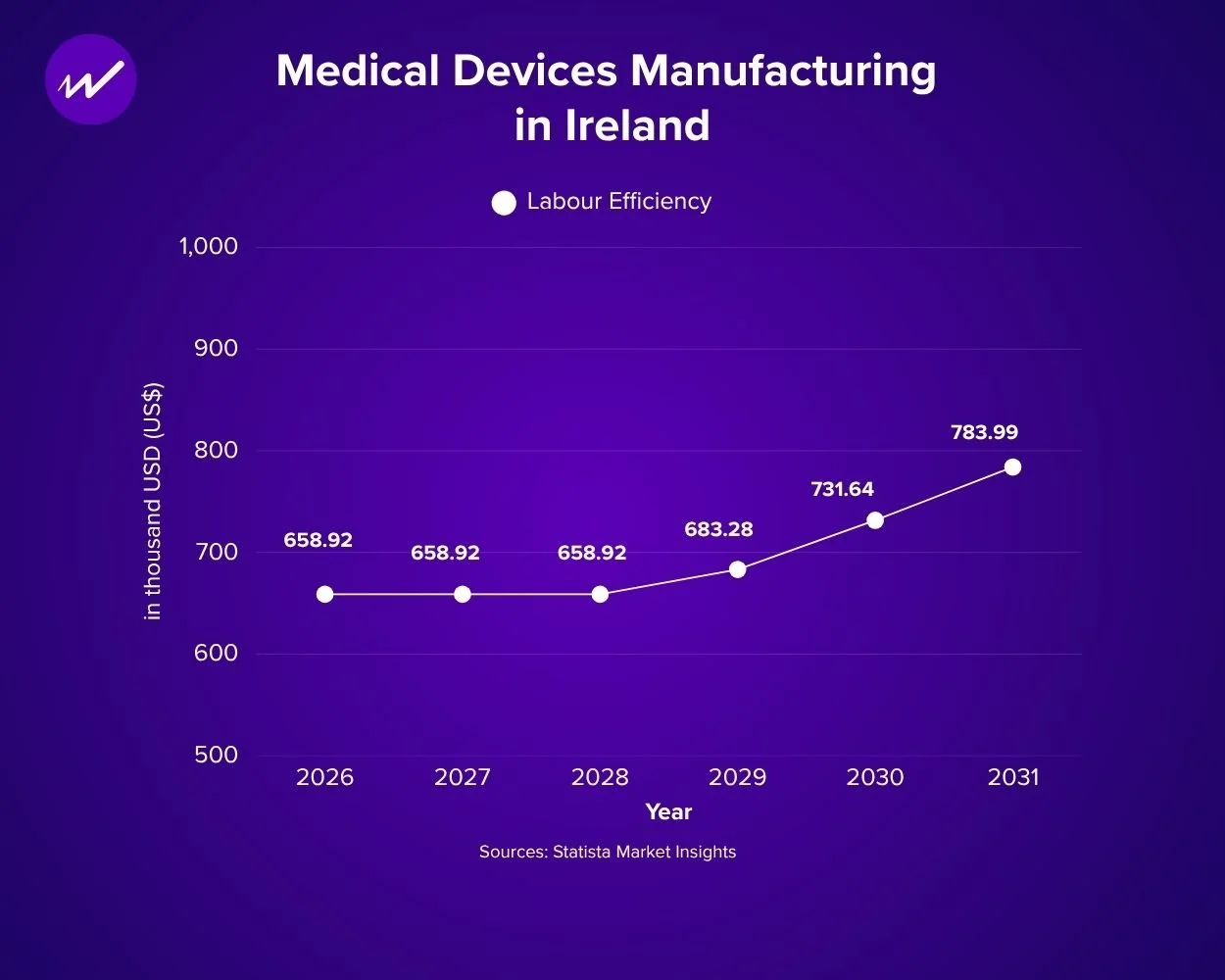
Ireland's Medical Device Sector Is Set for Continued Efficiency Gains Through 2031
Ireland's medical device sector is on track for a fresh wave of efficiency gains between now and 2031. We look at what's behind the numbers, from automation to cleanroom throughput, and what it could mean for manufacturing sites as the sector keeps evolving.
Two trends worth watching in Irish food manufacturing
Irish food manufacturing has quietly become a lot more productive over the last five years. Then energy prices went back up. Two trends, moving in opposite directions, and only one of them is within your control.

Why Operational Excellence Is Now the Most Important Driver of Hotel Returns 2026
The Savills European Hotel Investment Outlook 2026 makes one thing very clear. In the current market, revenue growth alone is no longer enough. The hotels that will outperform are the ones that manage their costs with the same discipline they apply to their top line. Here is what that means in practice.
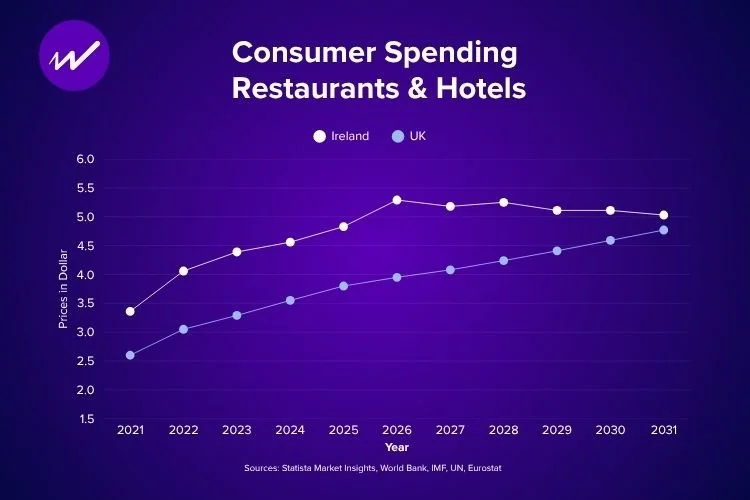
New stats on Hotel and Restaurant spending in Ireland show a plateau
Consumer spending on restaurants and hotels in Ireland has grown nearly 60 percent since 2021, but new Statista data shows that growth flattening out from 2026. As revenue growth slows, energy costs move from a background overhead to a direct hit on margins, and now is the time to get ahead of it.
How Energy Performance Influences Production Yield
Energy performance can reveal early signs of declining production yield. From unstable heating and excessive motor power to compressed-air issues, irregular cooling and repeated restarts, changes in energy use can point to process inefficiencies before they become larger quality problems.
Energy-Efficiency Funding for Irish Food Manufacturers
Irish food manufacturers can access a range of grants and supports to reduce energy costs, upgrade equipment and invest in lower-carbon technologies. This guide outlines the main SEAI, LEO and Enterprise Ireland funding options available.