
Bord Bia Points to Operational Efficiency as Key to Competitiveness
Bord Bia's Export Performance and Prospects 2025-26 report gave Irish food manufacturers a clear, grounded view of where the sector was heading. The Prepared Consumer Foods (PCF) section in particular set out a positive growth story for 2026, alongside an honest look at the pressures manufacturers would need to manage to get there.
What we cover
What was Bord Bia's outlook for prepared consumer foods in 2026?
Why operational efficiency and automation are business critical
Energy is named as a recurring cost pressure
Turning energy efficiency into profit optimisation for manufacturers
What Was Bord Bia's Outlook for Prepared Consumer Foods in 2026?
According to the report, the PCF sector was positioned for further growth in 2026. Key categories such as value-added meats, meal solutions, bakery, carbonated drinks and confectionery were continuing to drive export opportunities, reflecting the sector's adaptability and its capacity to respond to changing consumer tastes.
While the UK remained the key market for Irish PCF exporters, the report highlighted real diversification potential in the US, the EU and emerging Middle Eastern regions. Consumer trends were also creating room for higher margin, differentiated products, with ready meals, meal kits, snacks and bakery items that combine quality, nutritional transparency and environmentally responsible packaging particularly well positioned to capture premium market segments.
Why Operational Efficiency and Automation Are Business Critical
Growth potential is only part of the picture. Bord Bia was direct about what it would take to capture it. The report stated that operational efficiency, supply chain optimisation, sustainability and investment in automation were critical to maintaining competitiveness and compliance with increasingly stringent international regulations.
That was a significant statement. It placed efficiency and automation on the same level of importance as market access and product innovation when it comes to Irish manufacturers holding their position on the export stage.
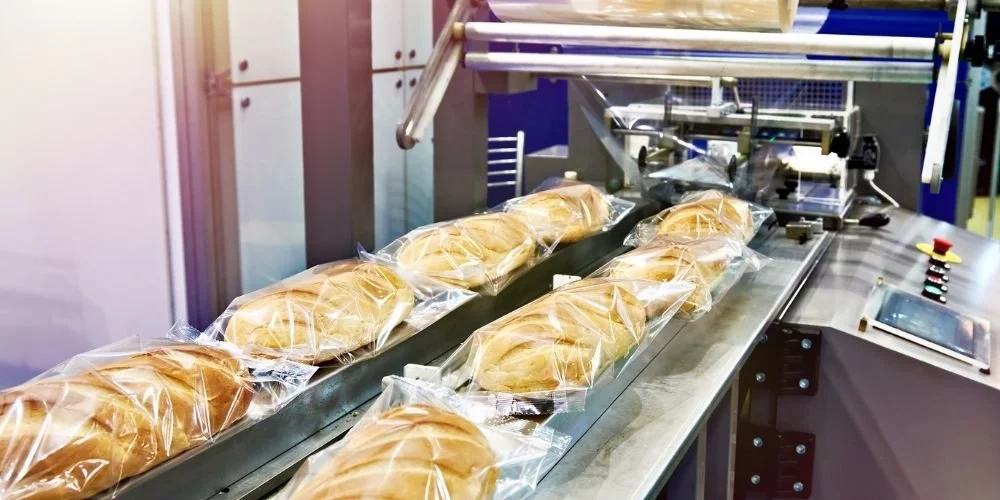
Food processing requires large energy input
Energy Is Named as a Recurring Cost Pressure
The report didn't shy away from the cost side of the equation either. It specifically named energy, labour and packaging inputs as cost pressures that required careful management, even as the overall outlook for the sector remained positive.
This lines up with what many manufacturers experience on the ground. Growth and export opportunity are real, but so is the pressure of managing input costs well enough to actually capture that growth as margin rather than losing it along the way.
Turning Energy Efficiency Into Profit Optimisation for Manufacturers
Of the three cost pressures Bord Bia names, energy is one that manufacturers have the most direct control over. Refrigeration, processing lines, heating and cooling systems all run continuously across food manufacturing sites, which makes energy efficiency a practical, measurable lever for protecting margin rather than a compliance exercise.
Reducing energy costs for manufacturers doesn't require waiting on export markets or input prices to move in your favour. It's an area where targeted investment, whether in monitoring, equipment upgrades or process changes, can support the operational efficiency Bord Bia pointed to directly, while also freeing up margin to reinvest in the product innovation and diversification the report identified as key growth drivers for 2026.
If you'd like to explore where the opportunities are for your site, we're happy to offer a free consultation.