
New Bank of Ireland Report shows Legislation Isn't the Only Reason Hotels should Invest in Energy Efficiency
New Sector Report by Bank of Ireland shows good growth in RevPar for the hospitality sector
What the New Bank of Ireland Report Says About H2 2026 for Hotels
Bank of Ireland's Sectors Team has just published its H1 2026 Insights and H2 2026 Outlook for hospitality, and the headline theme is clear. H2 is about margin conversion, not volume recovery. Trading momentum across Irish hotels has been positive, driven mainly by average daily rate rather than occupancy, but converting that revenue growth into actual profit is where the real challenge sits.
The report points to payroll deployment, procurement, channel mix and energy management as the key levers for protecting margin through the second half of the year. Energy efficiency also features among the report's priority uses of capital, alongside refurbishment, bedroom upgrades and food and beverage repositioning.
Here is what we will cover in this piece:
What the new Bank of Ireland report says about H2 2026 for hotels
Why energy efficiency in hotels is about more than compliance
How energy efficiency increases margin conversion
Where energy management fits into the wider H2 2026 picture
How Watt Footprint can help
Why Energy Efficiency in Hotels Is About More Than Compliance
Lately, energy efficiency in hotels has largely been discussed through a legislative lens, and for good reason. Rules like the recast Energy Efficiency Directive and updated building performance standards have made energy efficiency a compliance item on a lot of operators' to-do lists.
What this new report highlights is a different, equally practical reason to invest. With payroll costs, supplier pricing and insurance all adding pressure, and with rate growth alone not guaranteed to hold through H2, energy costs are one of the few levers operators can control directly. That reframes energy efficiency from a regulatory task into a straightforward business decision, one that supports the bottom line regardless of what the legislative calendar looks like.
How Energy Efficiency Increases Margin Conversion
The report is direct about this. Occupancy growth on its own will not solve the margin pressure hotels are facing. It names energy management as one of the levers that will determine whether RevPAR growth actually turns into cashflow.
A few reasons energy efficiency increases margin conversion in practice:
Energy costs are a fixed and rising overhead, so reductions go straight to margin rather than being absorbed by discounting or promotions
Efficiency upgrades often pair naturally with refurbishment cycles already planned for other reasons, keeping disruption and cost to a minimum
Better energy data supports more accurate forecasting, which matters when booking lead times are shortening and revenue management is getting harder to call
The report also flags energy monitoring specifically as one of the practical technology applications operators should be focusing on, alongside rostering and revenue management tools, to reduce operational friction.
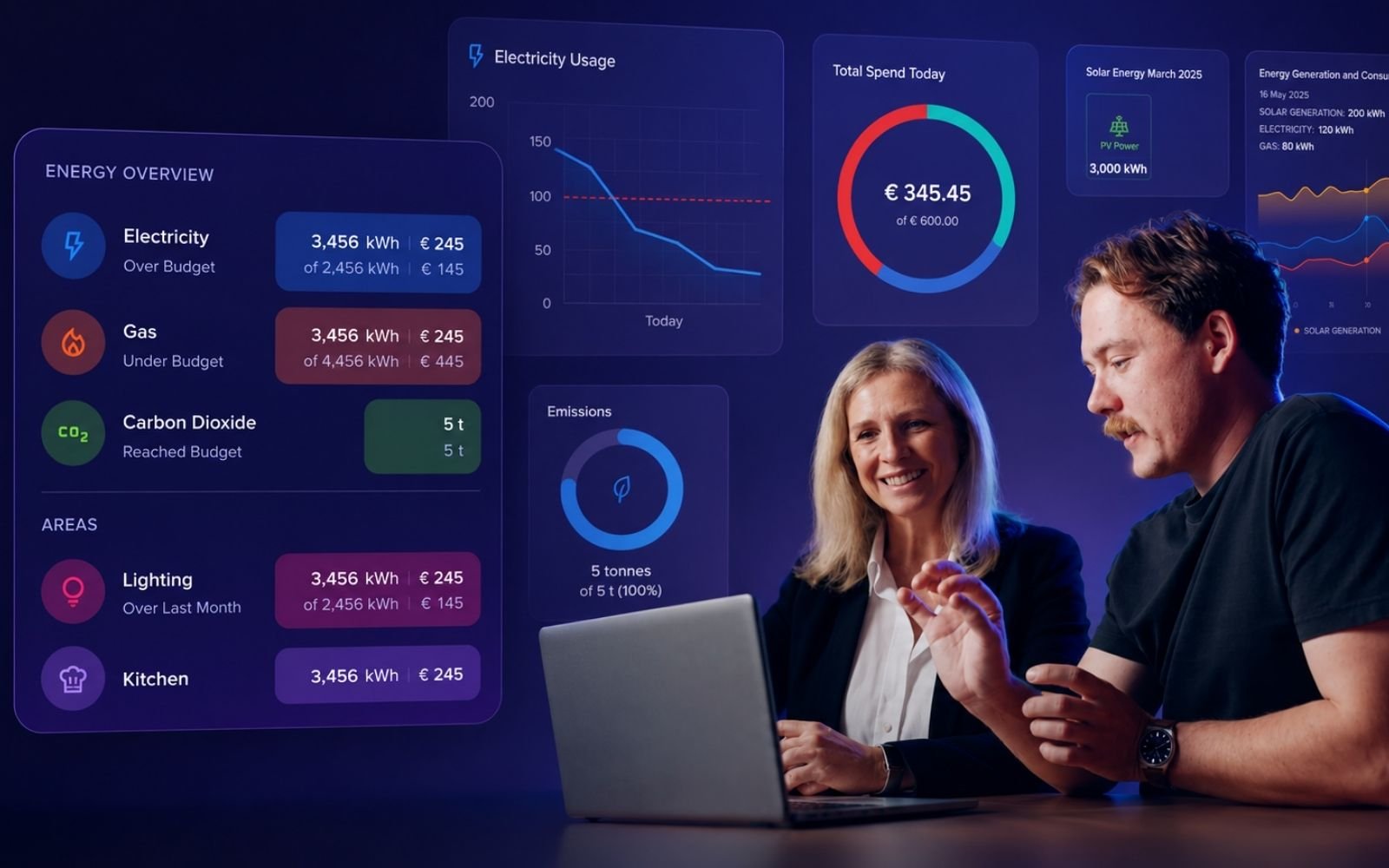
Energy efficiency in hotels leads to higher profit conversion
Where Energy Management Fits Into the Wider H2 2026 Picture
The Bank of Ireland report frames energy efficiency and energy management as part of a broader shift towards disciplined cost control, not a standalone project. It sits alongside procurement management, channel mix and payroll strategy as one of the tools operators need to hold onto profitability while consumer value scrutiny stays high.
That's a useful framing for hotels weighing up where to focus limited capital and attention through H2. Energy management does not need to compete with guest experience investment or refurbishment plans. In most cases, it complements them, particularly where efficiency upgrades are folded into work that is happening anyway.
How Watt Footprint Can Help
Whether the driver is legislation, margin pressure, or both, the starting point is the same: a clear picture of where energy is being used and where the opportunities to reduce cost sit. At Watt Footprint, we help hospitality businesses across Ireland build that picture and put an energy management plan in place that supports both compliance and profitability.
If H2 2026 has you thinking about where energy management could support your margins, get in touch with the team at Watt Footprint.
Hospitality Energy Efficiency





The SI426 audit obligation no longer depends on SME status. It now depends on energy use, bringing businesses between 10 TJ and 85 TJ into scope.