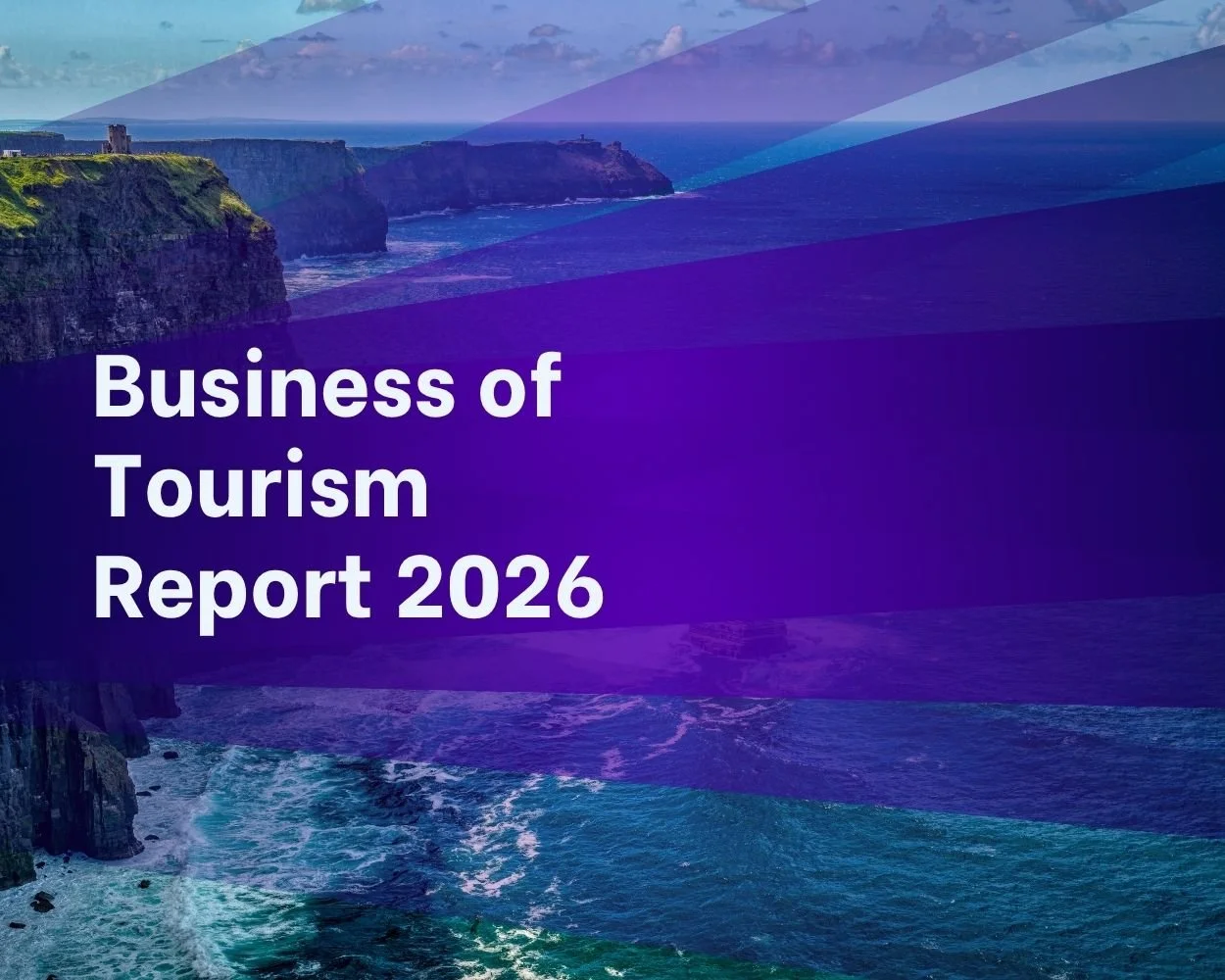
Failte Ireland released it’s report on Business & Tourism 2025’s performance
Ireland's tourism sector had a genuinely solid year in 2025. Fáilte Ireland's Business of Tourism Report 2026 gives hospitality operators a useful, grounded picture of how the industry performed, and where the opportunities and pressures both lie heading into 2026.
Here is what we will cover:
A resilient year for Irish tourism
Where the growth is coming from
The cost pressures behind the numbers
Why energy is worth a closer look
A Resilient Year for Irish Tourism
Overseas tourists spent €5.7 billion in Ireland in 2025, while domestic tourism expenditure held steady at €3.6 billion. Combined with other tourism related income, total earnings reached €11.2 billion, with tourism supporting 229,400 jobs nationally, close to one in ten jobs in the country. Around 70% of those roles sit outside Dublin, which underlines just how important the sector is to regional economies, including here in the Midlands.
Ireland's overall competitiveness as a destination also improved, rising to 24th out of 119 countries in the World Economic Forum's Travel & Tourism Development Index, up from 26th previously. Visitor satisfaction remains high too, with 72% of overseas holidaymakers reporting they were Extremely satisfied with their trip.
Where the Growth Is Coming From
The report shows a sector that's shifting from volume led to value led growth. Overseas trip numbers were down slightly year on year, but stronger spending from higher value markets, particularly North America, helped support overall revenue. Domestic tourism told a similar story: trip numbers fell by 8%, largely due to a normalisation in visits to friends and relatives, yet spending held firm at €3.6 billion.
Hotel demand remained strong throughout the year, with room occupancy reaching 78.4% and accommodation supply struggling to keep pace, particularly in Dublin. Day trips also grew significantly, with Irish residents taking 21 million day trips and spending €1.2 billion, up 10% year on year. For hospitality businesses, especially those outside the main urban centres, this points to a real opportunity in capturing more year round and regional demand.
The Cost Pressures Behind the Numbers
Alongside this resilience, the report is candid about the pressures operators are facing. Businesses continue to report cost pressures and margin constraints, and Average Daily Rates rose by 3% in 2025, broadly in line with tourist inflation. Ireland's price competitiveness was assessed as less favourable in the Travel & Tourism Development Index, reflecting relatively high core business costs.
The government has responded in a couple of ways worth noting. The Minister for Enterprise, Tourism and Employment established a Cost of Business Advisory Forum to help address operational challenges facing SMEs, including tourism and hospitality businesses. The VAT rate on food and catering businesses was also cut from 13.5% to 9% from 1st July 2026. Both point to the same underlying reality: managing costs well is becoming just as important to hospitality businesses as attracting visitors in the first place.
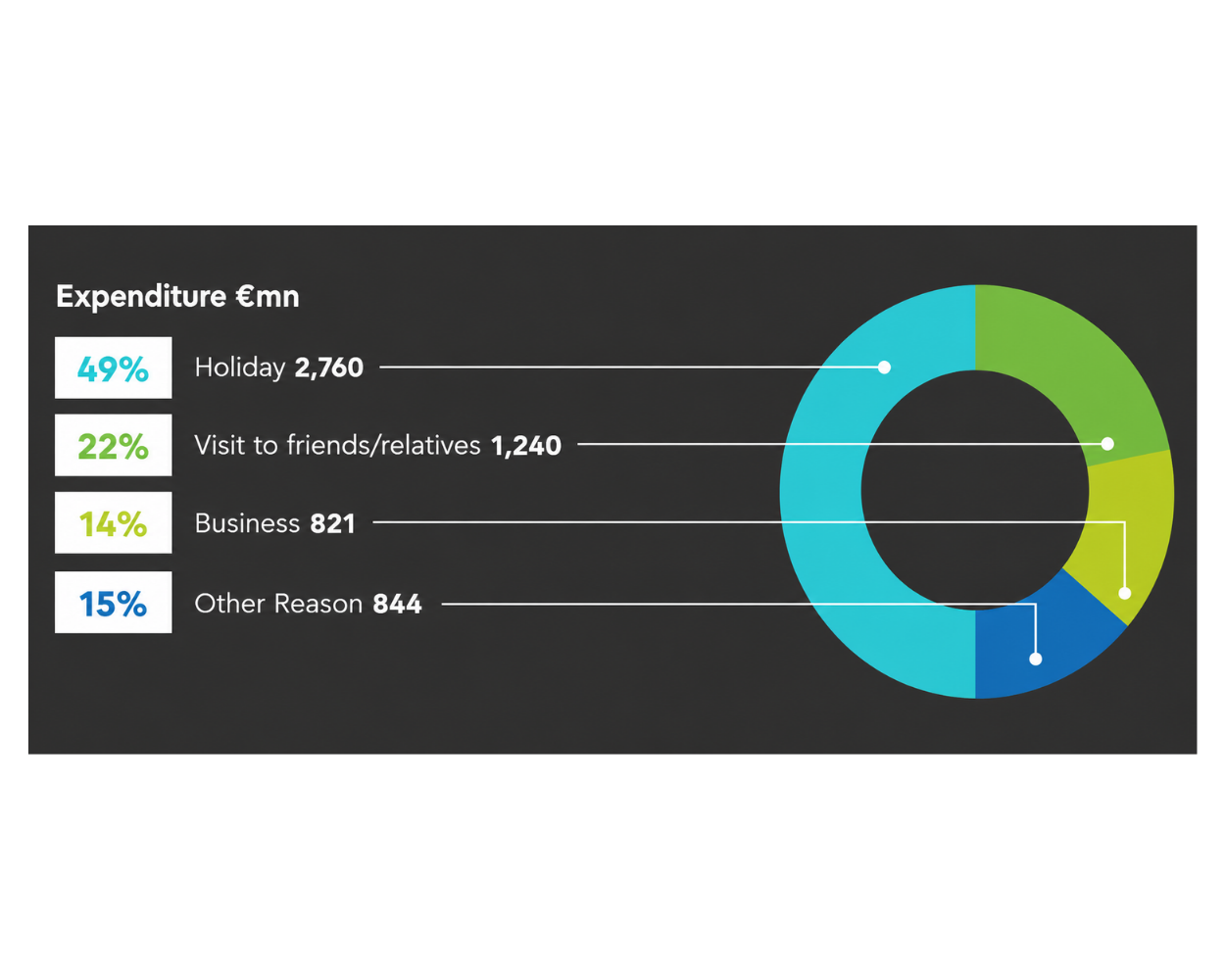
Tourism Expenditure Reason for the Irish market
Why Energy Is Worth a Closer Look
The report mentions how the Strait of Hormuz closing is causing a ripple effect and eating into businesses bottom line. According to the Central Bank of Ireland, in a more adverse scenario that considers a lengthier conflict with significantly more disruption, inflation would be pushed higher resulting in lower economic growth.
With cost pressures front and centre in the report, energy is one area where hospitality businesses have genuine control. Heating, hot water, kitchens and lighting all run consistently across a hotel, guesthouse or restaurant, and unlike wage costs or food inflation, energy use is something an operator can actively manage and reduce.
A closer look at energy usage, can be a straightforward first step toward protecting margin without waiting on wider market conditions to improve. If you'd like to talk through what that could look like for your business, we're happy to have a free consultation with the Watt Footprint team.
Hospitality Energy Efficiency



The SI426 audit obligation no longer depends on SME status. It now depends on energy use, bringing businesses between 10 TJ and 85 TJ into scope.