
Irish Manufacturing Research: Why Sustainability Is Becoming a Source of Business Value
Irish Manufacturing Research to a look back on 2025’s performance and detailed some high level insights
Irish Manufacturing Research's latest Annual Report gives a clear picture of what actually happened across the sector this year, and one theme sticks out for us. Sustainability is no longer just something manufacturers report on. It's becoming something they build value from. Here's what the findings show, and what it might mean for your own operation.
What we cover:
What IMR's 2025 findings reveal about the shift from exploration to implementation
How European collaboration is de-risking innovation for Irish manufacturers
Why sustainability is moving from a reporting box to a genuine competitive advantage
What this shift means for energy use on the factory floor
A Sector Moving From Exploration to Implementation
Irish manufacturing had a notable year in 2025. According to Irish Manufacturing Research's (IMR) 2025 Annual Report, the sector moved from a phase of exploring new technologies to actually putting them to work, with sustainability in manufacturing Ireland and AI readiness cited as the two forces driving that shift. That's a meaningful change in tone. For years, sustainability initiatives in Irish manufacturing were often treated as pilot projects or future ambitions. IMR's findings suggest that's no longer the case. Manufacturers are testing, implementing, and building the internal capability to sustain these changes in live operations, not just on paper.
IMR frames its own role in this as one of removing friction. The organisation's approach is to demystify emerging technologies and reduce the risk associated with innovation, so that manufacturers can focus on turning possibility into measurable progress. That's a useful reframe for any Irish manufacturer wondering where to start. The barrier was never a lack of ambition. It was uncertainty about how to move from idea to implementation without disrupting existing operations.
Collaboration Is De-Risking Innovation for Irish Manufacturers
One of the clearest signals from the report is the scale of collaboration involved. In 2025, IMR took part in nine active European projects, working alongside 72 organisations across 16 countries. Combined, this European portfolio was valued at €55 million. That is a significant amount of shared knowledge, testing capability, and validated approaches flowing back into Ireland.
The practical value of this for Irish manufacturers is straightforward. Tools, delivery methods, and emerging technologies that have already been tested and proven elsewhere can be adapted here through demonstrators, training, and implementation support, rather than manufacturers having to develop and validate everything from scratch. This reduces duplication of effort and strengthens decision making across the sector, which matters most for manufacturers who don't have large in-house R&D teams but still need to stay competitive.
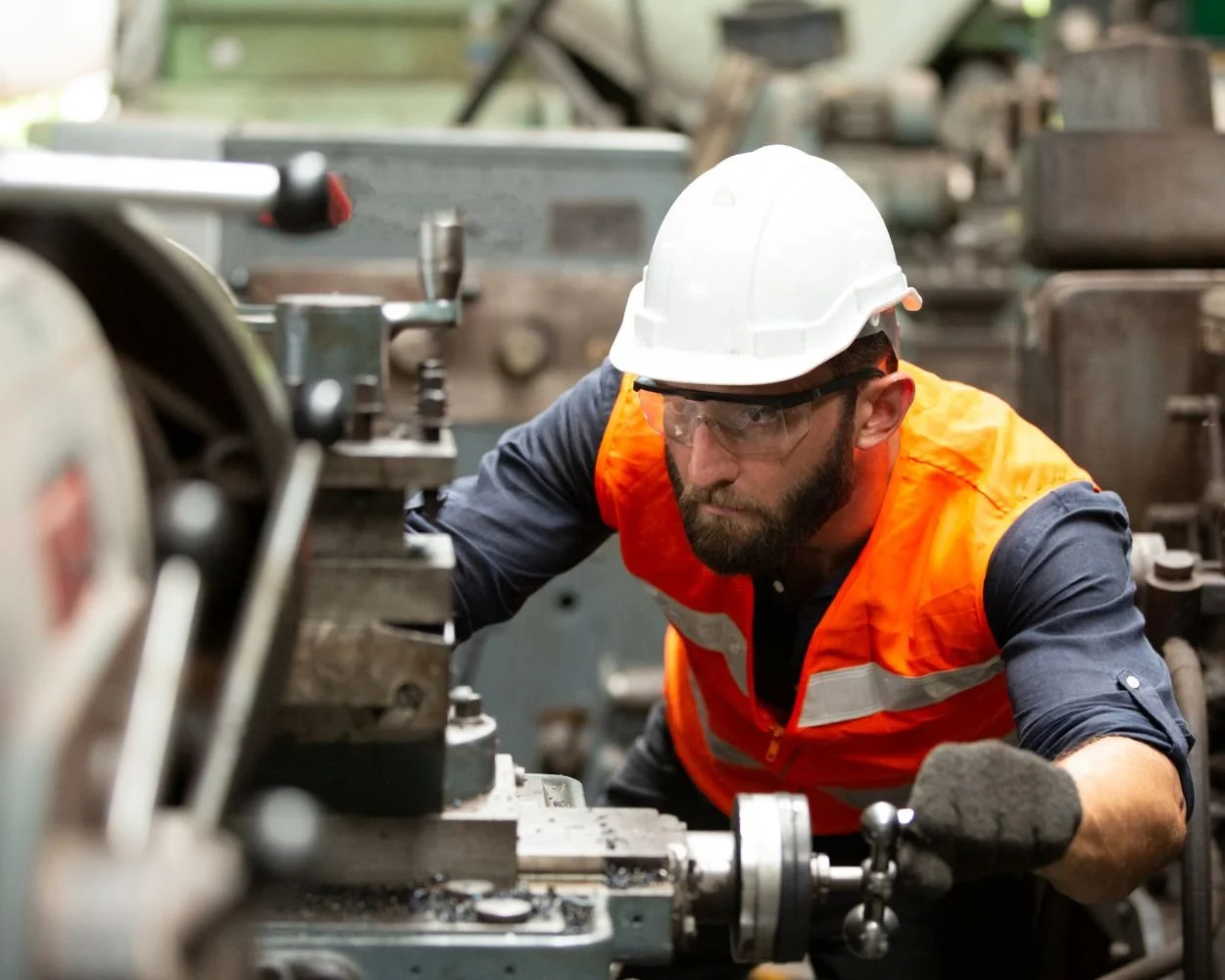
Manufacturers are seeing higher energy costs
Sustainable Manufacturing Practices Are Becoming a Competitive Differentiator
This is where the real shift is happening. For a long time, sustainability in an industrial context was primarily a compliance conversation, driven by reporting obligations and regulatory deadlines. What IMR's findings point to is a different framing entirely: sustainable manufacturing practices as a source of business value in their own right, not simply a box to tick.
The manufacturers best positioned for the future, according to the report, will be those who can identify the right opportunities, test them properly, implement them in real operations, and build the internal capability to sustain the change. Sustainability sits at the centre of that description. It's not treated as a separate workstream from operational performance. It is operational performance. A more resilient, more competitive manufacturing sector and a more sustainable one are being described as the same goal, not two competing priorities.
For manufacturers reading this and wondering what it means practically, it's a signal worth paying attention to. Where sustainability was once justified internally by reference to regulation, it's increasingly being justified by reference to cost, resilience, and long-term competitiveness. That's a stronger argument to bring to a board table.
Where Energy Efficiency Fits Into That Value
If sustainability is genuinely becoming a source of business value rather than a reporting requirement, energy is one of the most direct places that value shows up. Energy use touches almost every part of a manufacturing operation, from production lines to compressed air systems to building heating and cooling. It's also one of the areas where the return on a well-planned intervention tends to be both measurable and fast to see.
This is where energy efficiency for manufacturers becomes a natural next question rather than a hard sell. If a manufacturer is already investing time in identifying sustainability opportunities, as IMR's findings suggest more are doing, energy is usually one of the clearest starting points. It doesn't require a full technology overhaul to get moving. Often it starts with understanding where energy is actually being used and lost across a site, which is the same "test, implement, sustain" logic IMR describes applied to a single, practical area.
At Watt Footprint, this is the conversation we have with manufacturers most often. Not where sustainability sits on a reporting spreadsheet, but where it shows up in day-to-day operating costs and where a proper look at energy use might justify itself many times over. If you're a manufacturer thinking through where to start, or wondering whether energy is the right first step for your own sustainability plan, we're happy to have a no-obligation conversation about what that might look like for your site.

Kevin Butler
Senior Energy Expert
Manufacturing Energy Efficiency




Bord Bia's Export Performance and Prospects report set out a positive outlook for growth in Irish prepared consumer foods in 2026, alongside a clear-eyed look at the cost pressures manufacturers need to manage. Here's what the report said, and why energy efficiency deserves a place in that conversation