
Ibec Manufacturing in Ireland Report: Resilience, Growth and the Road Ahead
IBEC’s manufacturers report shows strong performance alongside growing operation costs between labour and energy
Ibec's Manufacturing in Ireland 2025 report, based on interviews with almost 100 senior manufacturing leaders, gave a grounded and genuinely encouraging picture of where Irish manufacturing stood in 2025. It's a sector built on scale, global standing and a proven ability to adapt, and the report captured that clearly.
What we cover:
What Ibec's Manufacturing in Ireland 2025 report found
A sector adapting with confidence
Where energy costs fit into the picture
What Ibec's Manufacturing in Ireland 2025 Report Found
Manufacturing remained a central pillar of the Irish economy in 2024, employing 240,104 people and contributing over €10 billion in corporation tax. Wages paid across the sector rose to €14.8 billion, up from €13.7 billion the previous year, and manufacturers spent €20 billion annually on goods and services from Irish suppliers, underlining just how connected the sector is to the wider economy.
Ireland's global standing in manufacturing is genuinely impressive. The report highlighted Ireland as the number one net exporter of dairy, beef, lamb and spirits in the EU, and the number one exporter in Europe of specialised nutrition products. Irish manufacturers also ranked second in Europe for exports of medical devices, contact lenses, orthopaedic products, complex pharmaceutical goods and vaccines, a strong endorsement of the sector's quality and specialisation.
A Sector Adapting With Confidence
The report was equally clear about how manufacturers were responding to a more uncertain global environment. Rather than pulling back, the sector's leaders described a strategy of "controlling the controllables," selectively investing in the areas most likely to protect competitiveness.
Digitalisation and AI stood out as the clearest example. AI was named a priority for 52% of businesses, with a near-unanimous 97% planning adoption specifically to improve efficiency and productivity. The report described AI investment as the sector's core resilience strategy, a deliberate choice to automate and innovate in order to defend margins. Budget 2026's increase in the R&D Tax Credit to 35%, along with €2 billion committed to infrastructure, was also welcomed in the report as a meaningful enabler for the sector's next phase of growth.
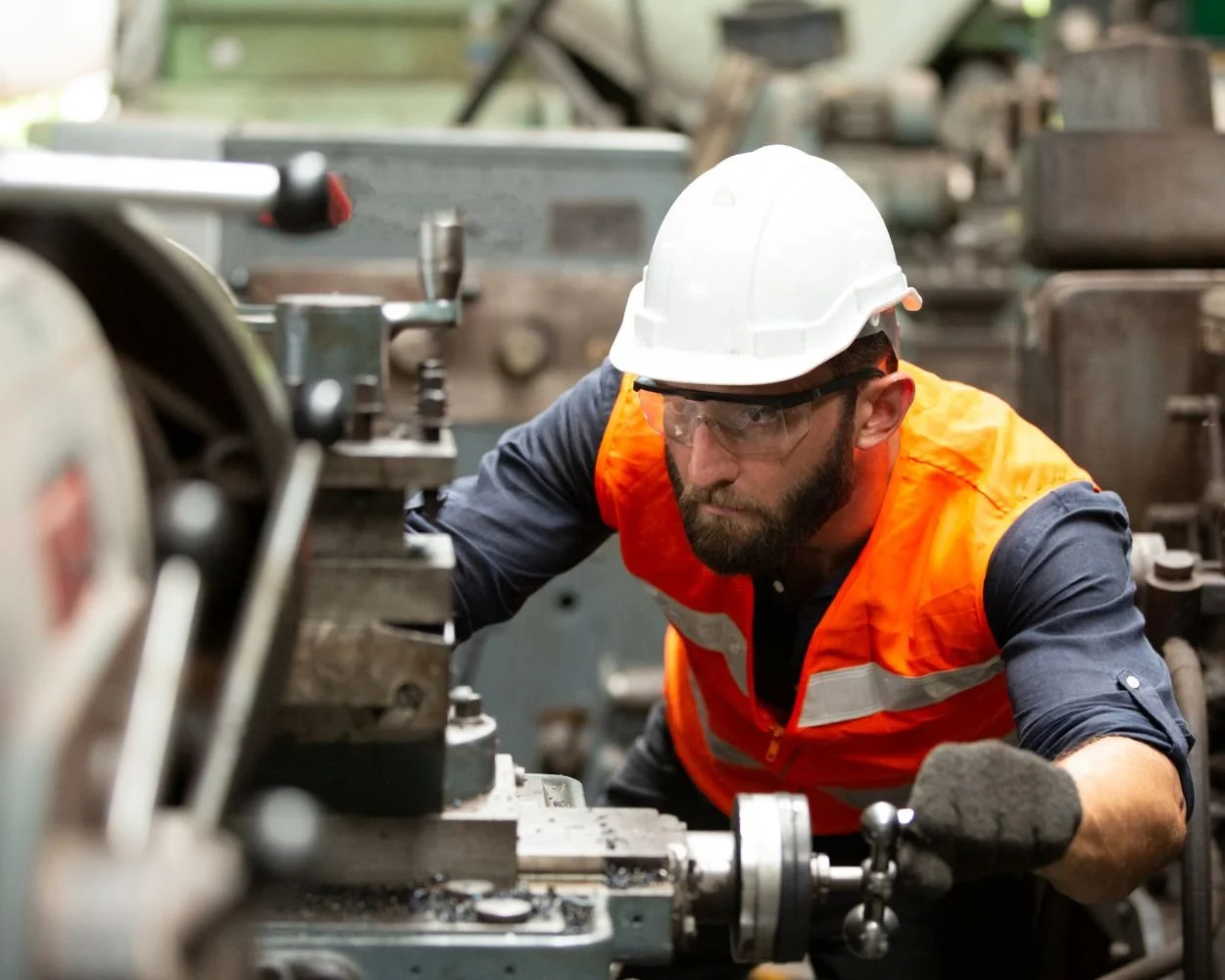
Manufacturers are seeing higher energy costs
Where Energy Costs Fit Into the Picture
Alongside this resilience, the report was honest about where cost pressure was building. Expectations for energy cost increases doubled year on year, rising to 64% of leaders from 34% in 2024, alongside similar concern around wage growth. Interestingly, the report also noted that this cost pressure was making some manufacturers cautious about long-term green capital investment, even though rising energy costs are exactly the kind of pressure that efficiency measures are designed to address.
That's worth sitting with for a moment. If energy is one of the clearest cost pressures manufacturers are facing, what would it look like to treat energy efficiency as part of the same resilience strategy driving investment in AI and digitalisation, rather than a separate cost to defer?
If Ibec's findings sound familiar for your own operation, a free consultation with Watt Footprint is a good place to start working out where the opportunities for manufacturer energy savings might be.
Manufacturing Energy Efficiency




Bord Bia's Export Performance and Prospects report set out a positive outlook for growth in Irish prepared consumer foods in 2026, alongside a clear-eyed look at the cost pressures manufacturers need to manage. Here's what the report said, and why energy efficiency deserves a place in that conversation