Changes to SSEA Energy Audit Eligibility: Energy Consumption Is Now the Metric
Good news for Irish businesses. From 11 October 2026, SEAI has changed the eligibility criteria for its Support Scheme for Energy Audits (SSEA). Qualifying for the €2,000 voucher used to depend on your SME status. Now it comes down to one thing: how much energy your business uses.
If you've ever wondered where your energy spend actually goes, this is a simple, funded way to find out. Here's what's changed, who can apply and how to get started.
In this blog, we cover:
What Changed With the SEAI Energy Audit Grant on 11 October 2026
What Is the SEAI Energy Audit Grant?
Who Can Now Apply for an Energy Audit Voucher in Ireland
What a Business Energy Audit Covers
The Benefits of a Business Energy Audit in Ireland
How to Apply for the SEAI Energy Audit Voucher
Turning Your Business Energy Audit Into Lasting Savings
What Changed With SSEA Eligibility on 11 October 2026
Until now, SSEA eligibility for private businesses was tied to SME status. An SME is broadly a business with fewer than 250 employees and either turnover of €50 million or less or a balance sheet of €43 million or less. Larger businesses were treated as obligated entities under SI 426, the Irish regulation that sets out who must carry out an energy audit, and so were shut out of the voucher. Public sector bodies had their own limits: a useful floor area under 500m2 and annual energy spend under €35,000.
From 11 October 2026, the rules look like this:
All public and private enterprises using less than 2.8 GWh (10TJ) of energy a year from all sources (heat, electricity and transport) can apply
SME status no longer applies for private businesses
The 500m2 floor area and €35,000 energy spend limits no longer apply for public bodies
Businesses using more than 2.8 GWh a year are not eligible
In short, SME status is out and energy use is in. The question is no longer how big your business is, but how much energy it uses. That opens the door for a lot of organisations that were previously just outside the scheme.
What Is the SEAI Energy Audit Grant?
The Support Scheme for Energy Audits is SEAI's voucher scheme for professional energy audits. Eligible businesses receive a €2,000 voucher towards the cost of a high quality audit, and in most cases this covers the full cost.
The process is refreshingly simple. Approval is automatic for eligible businesses and the voucher arrives by email. Once your audit is complete, the auditor claims payment directly from SEAI, so there's nothing for you to chase.
Reduce your Manufacturing Energy Costs
Who Can Now Apply for an Energy Audit Voucher in Ireland
The biggest winners are businesses that were too big to count as SMEs but don't use enough energy to pass the 2.8 GWh mark. That could include mid-sized manufacturers, hotel groups, larger retailers and multi-site service businesses.
To apply for an energy audit voucher in Ireland, your business still needs to:
Use less than 2.8 GWh of energy a year, from all sources including transport
Spend at least €10,000 a year on energy at the site being audited, excluding transport
Be registered in the Republic of Ireland
Be tax compliant
There is a limit of one voucher per applicant.
One detail worth noting: the 2.8 GWh limit includes transport energy, while the €10,000 minimum spend does not. A year's worth of energy bills and fuel records will help you check both quickly.
What a Business Energy Audit Covers
An energy audit can look at your buildings, processes or systems. It follows three steps: preparation, a site visit and a final report.
That report gives you a clear picture of:
How much energy your business uses
Which equipment and processes use the most
What actions you can take to save energy, with their estimated cost and impact
Audits under the scheme are carried out by auditors on SEAI's Register of Energy Auditors, all of whom meet SEAI's standards.
The Benefits of a Business Energy Audit in Ireland
A business energy audit is one of the easiest first steps towards lower energy costs. Here's what it can do for you:
Understand your energy use: see where energy goes and where it's being wasted
Save money: spot no-cost and low-cost changes that deliver savings straight away
Plan with confidence: get the information you need to make sound decisions on energy saving measures and renewable technologies
Steady your costs: reduce your exposure to future energy price and carbon tax changes
Support your customers: larger businesses are increasingly working with their supply chains on climate impact, and an audit puts you in a strong position for those conversations
Strengthen your brand: lower energy related emissions are good for your reputation
How to Apply for the SEAI Energy Audit Voucher
Applying takes very little time. The process runs like this:
Choose an auditor from SEAI's list of Registered Energy Auditors, making sure they take part in the SSEA. They'll ask for a few details about your business and confirm the cost of the audit.
Register and complete SEAI's online application form.
Your voucher, with your application number, is emailed to you automatically.
Schedule the audit with your auditor.
The audit takes place.
Your auditor sends you the report and claims payment from SEAI.
Turning Your Business Energy Audit Into Lasting Savings
An energy audit gives you a clear snapshot of where your business stands today. The real value comes from what happens next.
The businesses that get the most from their audit act on the findings and keep an eye on the results. Tracking your energy use over time shows you which changes are working, helps you spot new savings early and gives you solid data for any future investment or grant application.
That's where Watt Footprint can help. Our energy monitoring platform gives you a live view of how your business uses energy, so you can turn your audit recommendations into savings you can actually see.
Thinking about applying for the SEAI energy audit grant, or wondering what to do with your audit once it's done? Get in touch with the Watt Footprint team for a free consultation.

Kevin Butler
Senior Energy Expert
Manufacturing Energy Efficiency

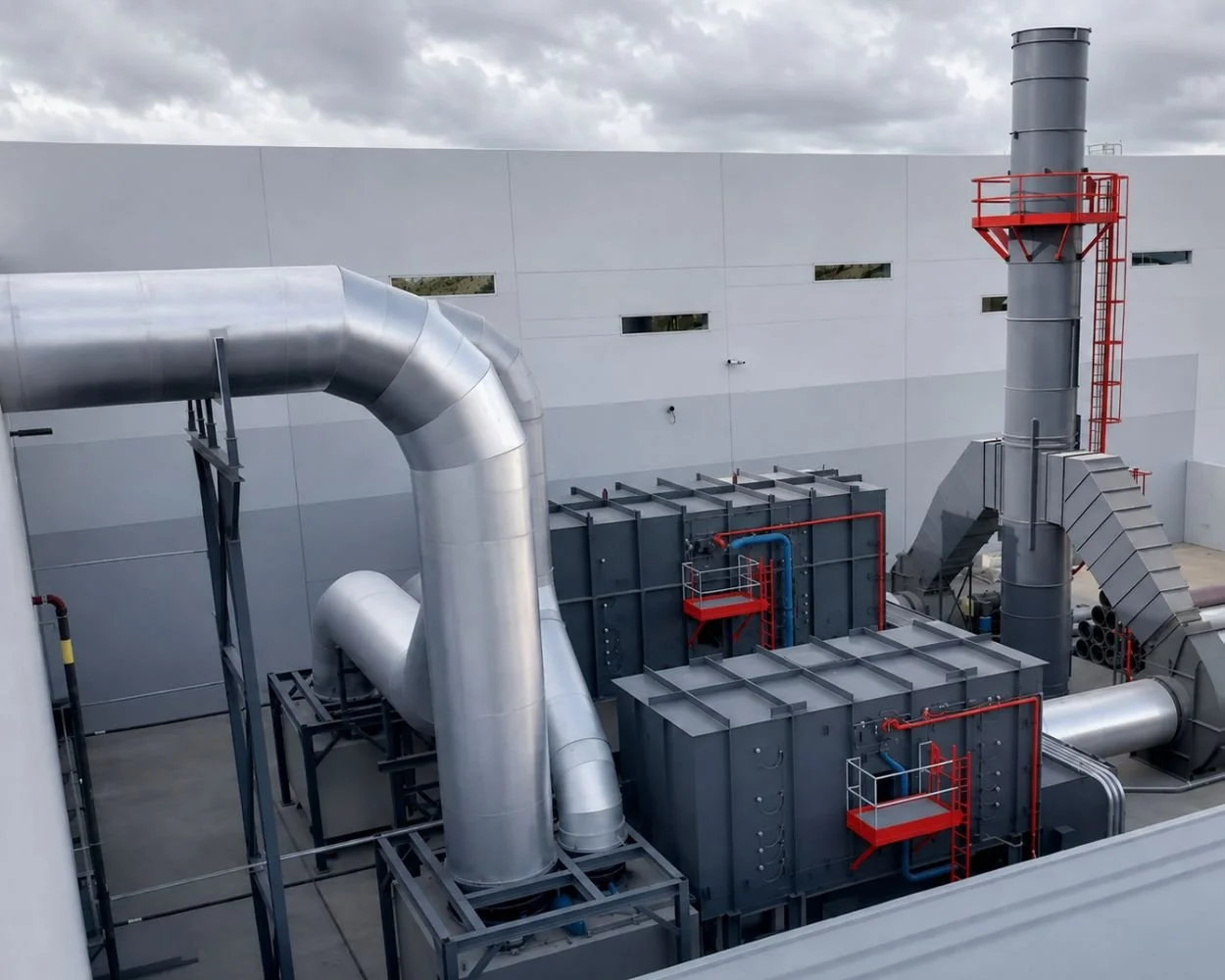



The SI426 audit obligation no longer depends on SME status. It now depends on energy use, bringing businesses between 10 TJ and 85 TJ into scope.