
Why Operational Excellence Is Now the Most Important Driver of Hotel Returns in 2026
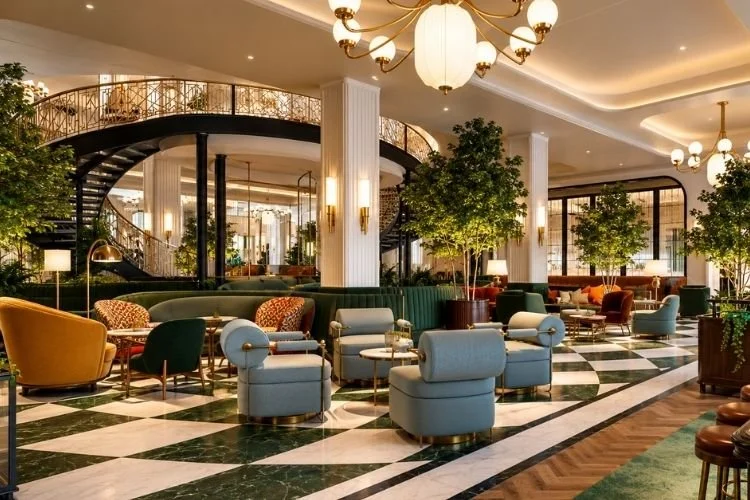
Operational Excellence in hotels is key driver of returns
The Savills European Hotel Investment Outlook 2026, published in March of this year, is one of the more useful pieces of research to come out of the hospitality sector recently. It covers transaction trends, asset preferences and capital dynamics across the European market. But one theme runs through the whole report more clearly than any other.
Operational excellence is now the primary driver of returns for hotel owners and investors. That is not a vague aspiration. It is a direct response to where the numbers sit right now, and it has real implications for how hotels manage their cost base, including energy.
What the Savills report actually says
The European hotel market had a positive 2025. Transaction volumes reached €23.6bn, up 4.8% on the previous year. RevPAR grew 2.1% year on year and remains 5.4% ahead of 2019 on an inflation adjusted basis. On the surface, the picture looks reasonably healthy.
But Savills is clear that the investment maths has become increasingly unforgiving. With limited positive spread between entry yields and the cost of debt, value add returns can no longer be generated through revenue growth alone. They have to be created through genuine operational outperformance. The report references a Bain and Company analysis noting that an EBITDA compound annual growth rate of around 12% is now required to deliver a 20% IRR over a five year hold period. That is a significantly higher bar than most hotel businesses have historically been asked to clear.
In that context, Savills identifies cost control as one of the critical levers available to operators and asset managers. The ability to drive incremental margin rather than headline growth is what will differentiate average performers from the best in class.
Where cost pressure is coming from
The report highlights minimum wage costs rising faster than inflation across many European countries as one of the key near term risks for the sector. Labour is the largest cost line for most hotels and it is one that is largely fixed once you are at full staffing levels.
That makes energy one of the most significant areas where hotels can actually influence their cost base. Unlike wages or rent, energy consumption is highly variable and directly affected by the decisions made about equipment, systems and how a building is managed day to day. For a hotel running heating, cooling, hot water, kitchens, laundry, pools and lighting across a large property, the opportunity to reduce consumption without affecting the guest experience is often more substantial than people expect.
The report also notes that slowing RevPAR growth is becoming a feature of the current environment. When top line growth is harder to achieve, the pressure on every cost line becomes more acute. Energy that was perhaps tolerated as an overhead during stronger trading conditions becomes a much more visible drag on GOPPAR.
Operational capability as an investment thesis
One of the more striking arguments in the Savills report is that operational capability is increasingly becoming a core investment thesis rather than a secondary consideration. Investors are gravitating towards operators who can demonstrate repeatable operational excellence and resilience in late cycle trading conditions.
That shift matters for hotel owners beyond the investment community. It signals that the market is paying attention to how well a property is run, not just how well it is located or branded. A hotel that can demonstrate structured, verified energy management, with clear data on consumption, reduction targets and verified savings, is a more attractive asset than one that cannot.
This is exactly where ISO 50001 certification and ongoing energy monitoring come into play. Having a formal energy management system in place is not just good housekeeping. In the context of what Savills is describing, it is a meaningful operational differentiator.
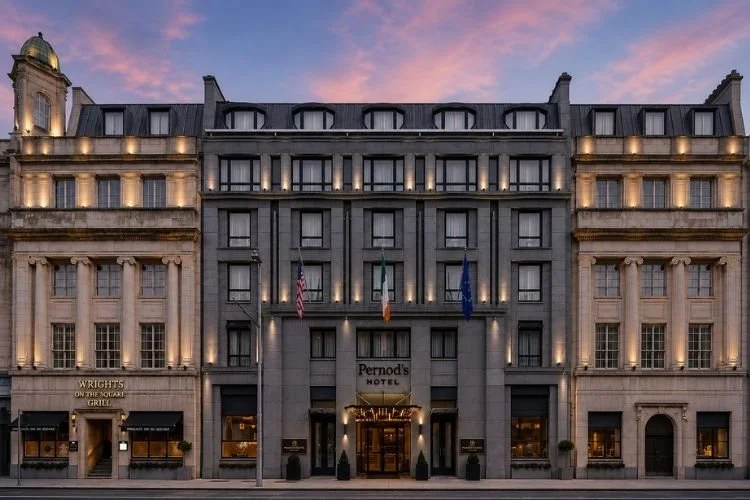
Hotels in Ireland need to have their energy efficiency structure in place
What this means for Irish hotel owners in 2026
If you are running a hotel, a leisure facility, or any large commercial hospitality property in Ireland, the Savills report is a good illustration of what a structured, long term approach to energy management can actually deliver. It is not about one project. It is about building the right foundation, capturing savings systematically, and verifying that they stick.
The good news is that supports are in place to help Irish hotels get started. Depending on your annual energy spend, there are fully funded audit options available through the SEAI and your Local Enterprise Office. Either route provides a clear starting point for understanding where your energy is going and what can be done about it.
In a market where operational excellence is the key return driver, energy management is not a nice to have. It is part of the job.