
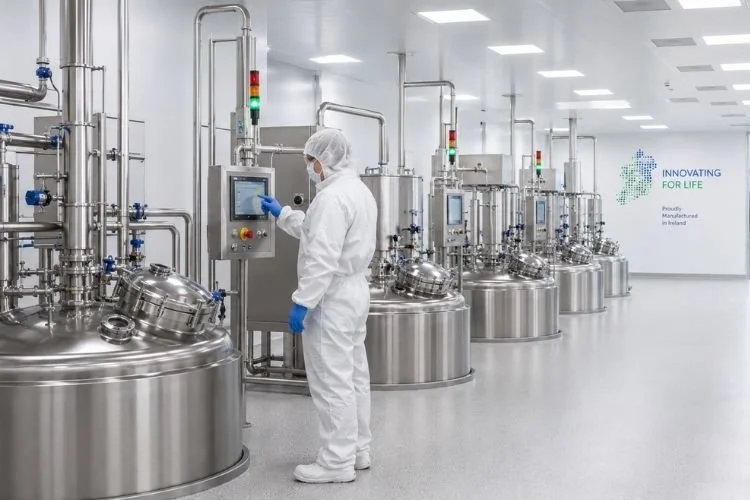
Irish Pharmaceutical Industries are seeing a reduction in Electric related CO2
The Irish biopharmaceutical sector has achieved a landmark reduction in electricity-related carbon emissions, and the strategies behind it offer a roadmap for energy-intensive industries across Ireland.
BioPharmaChem Sector Cuts Electricity Related CO2
Ireland's pharmaceutical and biopharmaceutical sector, one of the country's most energy-intensive industries, has recorded a 30% reduction in electricity-related CO₂ emissions over the past three years, according to the BioPharmaChem Ireland (BPCI) Sustainability and Responsible Care Report 2026. For businesses tracking carbon performance and energy costs, this is a significant marker of what's possible when decarbonisation strategy is embedded at the operational level.
At Watt Footprint, we work with organisations to understand their energy consumption, reduce their carbon impact, and navigate an increasingly complex regulatory landscape. The BPCI data offers real-world evidence of what that journey can look like at scale.
What the Data Shows
The 30% drop in electricity-related CO₂ wasn't achieved through a single initiative. According to the BPCI report, it was driven by three converging factors:
A cleaner national grid - Ireland's electricity supply has become progressively less carbon-intensive as renewable generation has grown, meaning the same unit of electricity now carries a lower carbon footprint.
Strategic procurement of low-carbon electricity - The report notes that 62% of member companies are now purchasing carbon-neutral electricity, even at a premium cost. This reflects a deliberate business decision to prioritise decarbonisation over short-term cost savings.
Expanded on-site renewable generation - Member companies have invested in wind and solar installations, generating clean electricity directly at their facilities and reducing reliance on grid supply altogether.
Site-level energy efficiency programmes have also contributed, helping companies get more output from every unit of energy consumed.
Why This Matters Beyond Pharma
The pharmaceutical sector is often cited as one of the most energy-intensive manufacturing sectors in Ireland, so a 30% reduction in electricity-related emissions carries real weight. But the principles behind this achievement are transferable to any business with significant electricity consumption.
Whether you operate a manufacturing facility, a data centre, a logistics hub, or a commercial building, the same levers are available: smarter procurement, on-site generation, and efficiency improvements. The difference is having the data and strategy to pull them in the right direction.
The Role of Procurement in Carbon Reduction
One of the most actionable findings in the BPCI report is the scale of uptake in carbon-neutral electricity procurement. When nearly two-thirds of member companies in a highly competitive, cost-conscious sector are paying more for lower-carbon power, it signals a fundamental shift in how energy is being valued.
For businesses in Ireland, options available include:
Power Purchase Agreements (PPAs) - long-term contracts that directly fund renewable generation and can lock in price certainty alongside carbon benefits
Renewable Energy Guarantees of Origin (REGOs/GOs) - certificates that verify the renewable source of electricity
Green electricity tariffs - available through most major Irish energy suppliers
Understanding which option best fits your consumption profile, budget, and sustainability reporting needs is where the detail matters. The right structure for a multinational pharma site is very different from that of an SME manufacturer.
On-Site Generation: Moving from Aspiration to Infrastructure
The BPCI report highlights on-site wind and solar generation as a meaningful contributor to the CO₂ reduction achieved. This is consistent with a broader trend we're seeing across Irish industry, where organisations are moving from talking about renewables to actually installing them.
The economics have shifted considerably. Solar PV costs have fallen dramatically, planning pathways have improved, and the ability to offset grid electricity costs makes the business case increasingly compelling. Battery storage is also beginning to change the calculus for sites that need reliable supply outside daylight hours.
For energy-intensive businesses, even partial self-generation can make a measurable dent in both electricity bills and Scope 2 emissions - the category that covers purchased electricity and one of the key focus areas under frameworks like the GHG Protocol and CSRD reporting.
The Regulatory Context: Why Acting Now Makes Sense
The recast Industrial Emissions Directive (IED 2.0), which tightens emissions performance requirements and mandates Best Available Techniques
The Corporate Sustainability Reporting Directive (CSRD), which requires detailed, standardised disclosure of energy use, carbon emissions, and climate risks
Ongoing developments in REACH and new PFAS controls affecting chemical and process industries
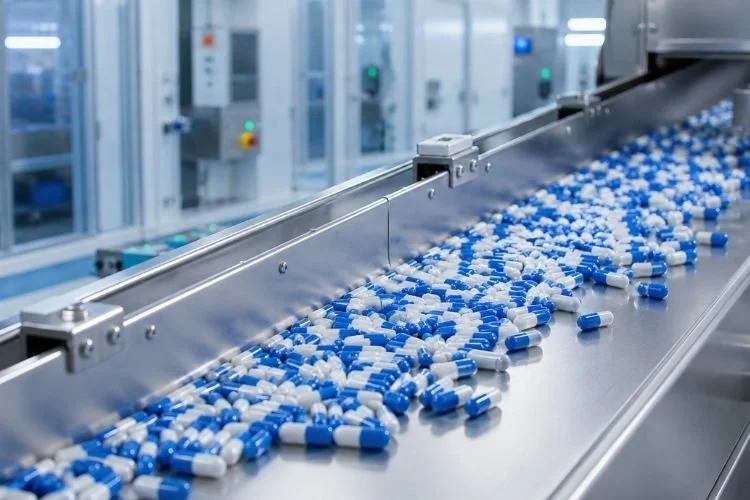
Pharmaceutical companies needs to be proactive in there sustainable measures
What This Means for Your Business
If your organisation is looking to reduce its electricity-related carbon footprint, the BPCI sector data points to a clear set of priorities:
Understand your current emissions profile - you can't manage what you don't measure. Scope 1, 2 and 3 emissions all require visibility before you can act strategically.
Review your electricity procurement - are you on the right tariff or contract structure? Is there an opportunity to move to a PPA or renewable supply agreement?
Assess your on-site generation potential - solar, and in some cases wind, may be viable at your site and can materially change your energy cost and carbon position.
Build your data systems - as CSRD and other reporting requirements come into force, having robust, auditable energy and emissions data will become a competitive and compliance necessity.
At Watt Footprint, we help businesses across Ireland take these steps in a structured, evidence-based way. Whether you're at the start of your energy transition or looking to accelerate progress already made, we can support you in turning data into action.