
Case Study: Abcon Industrial Products
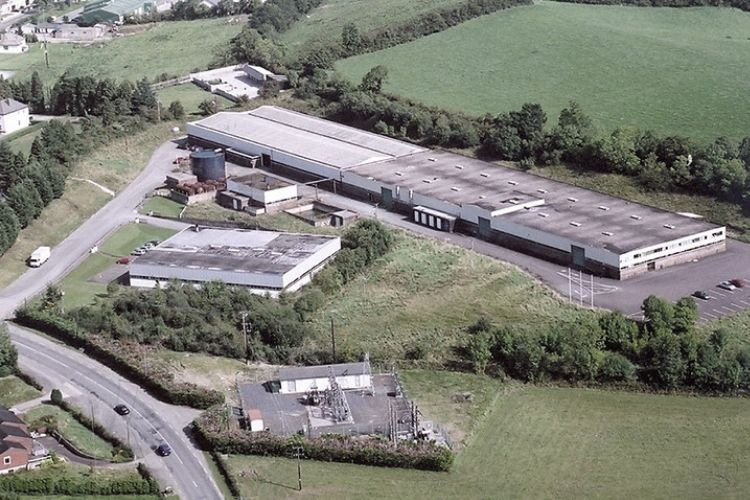
Abcon Industrial Products Aerial shot
The Highlights
Annual energy savings of 450MWh
€66,500 saved per year through solar PV and roof upgrades
110 tonnes of CO2 emissions reduced annually
ISO 50001 and ISO 14001 certification achieved in 2024
Additional waste programme delivering net savings of over €15,000 per year
All projects supported through SEAI and Enterprise Ireland grant funding
About Abcon Industrial Products
Established in 2005, Abcon Industrial Products Ltd in Cootehill, Co. Cavan has grown into one of the county's largest employers, with more than 180 people working across two specialist divisions: Abcon Abrasives and CavMac Hose and Rubber Lining. Over two decades, the company built a strong reputation for quality Irish manufacturing and consistent investment in innovation.
When the management team identified sustainability and energy efficiency as a strategic priority, they needed a partner who could help them translate that ambition into a clear, funded, deliverable plan. That is where Watt Footprint came in.
The Challenge
Like many Irish manufacturers, Abcon was facing a combination of rising energy costs, increasing pressure to reduce emissions and a growing awareness that without a structured approach, sustainability goals would remain difficult to act on.
The business consumed energy across a large manufacturing facility, with significant use across production equipment, compressed air systems and building infrastructure. One of the main manufacturing areas was covered by an original single skin roof that was causing heat loss, poor occupant comfort and production quality issues. Beyond the physical infrastructure, there was no formal energy management system in place to track, measure and improve performance over time.
The question was not whether to act on energy. It was where to start and how to fund it.
The Watt Footprint Approach
Watt Footprint worked with Abcon from the ground up, starting with strategy and building a programme that used available grant support at every stage.
In 2022, Watt Footprint supported Abcon in commissioning a detailed Decarbonisation Strategy through the Enterprise Ireland GreenPlus grant. This gave the business a clear roadmap and laid the groundwork for what followed.
From there, Watt Footprint guided Abcon through the process of implementing an energy management system aligned to ISO 50001 and an environmental management system aligned to ISO 14001. Both certifications were achieved in 2024, giving Abcon a formal, auditable framework for managing and continuously improving their energy and environmental performance. Energy monitoring was central to this, providing the visibility needed to identify where consumption was highest and where the biggest opportunities for reduction existed.
In 2023, Watt Footprint supported Abcon in accessing SEAI funding under the Non-Domestic Microgen Scheme to install 250kWp of solar PV across their facility. Plans to extend the solar system to cover the remainder of the roof are already in progress.
In 2025, the focus turned to the roof of one of the main manufacturing areas. Working with SEAI's Business Energy Upgrades Scheme, Abcon replaced the ageing single skin roof with a highly insulated composite panel system, addressing the heat loss, comfort and quality issues that had been an ongoing operational problem.
A waste audit was also completed in 2025, leading to a recycling agreement for abrasive waste with a UK facility and the installation of a large baler on site.
The Results
The impact of the programme has been significant and measurable across every area it touched.
The solar PV installation and roof upgrade together deliver estimated annual energy savings of 450MWh and a reduction of 110 tonnes of CO2 per year. In financial terms, that represents a combined annual saving of €66,500. The waste programme is expected to deliver a further net saving of more than €15,000 per year while cutting waste by up to 50 tonnes of CO2 equivalent.
Barry Smith, Managing Director of Abcon, has been clear about what drives this approach. Manufacturing at scale brings a responsibility, to customers to stay cost competitive, to the local community, and to the environment. The energy price volatility of recent years reinforced rather than delayed that thinking, and having Watt Footprint in place to structure the programme and access the available funding made it possible to move faster and with more confidence.
What This Means for Other Manufacturers
Abcon's journey shows what is achievable when energy management is treated as a strategic priority rather than an afterthought. The key was starting with a clear plan, using grant funding intelligently at each stage, and having the right partner to manage the process from start to finish.
The SEAI and Enterprise Ireland supports that helped fund Abcon's programme are still available to Irish manufacturers. If your business has not yet taken a structured look at its energy use, or if you have been considering ISO 50001 certification and are not sure where to start, it is worth having a conversation about what a programme like this could look like for you.
Thinking About Your Own Energy Journey?
If you are running a manufacturing facility, whether that is a food production site, a pharmaceutical plant or a general industrial operation, the Abcon story is a good illustration of what a structured, long-term approach to energy management can actually deliver. It is not about one project. It is about building the right foundation, capturing savings systematically, and verifying that they stick
If you'd like to explore what that could look like for your organisation, we'd be happy to talk.